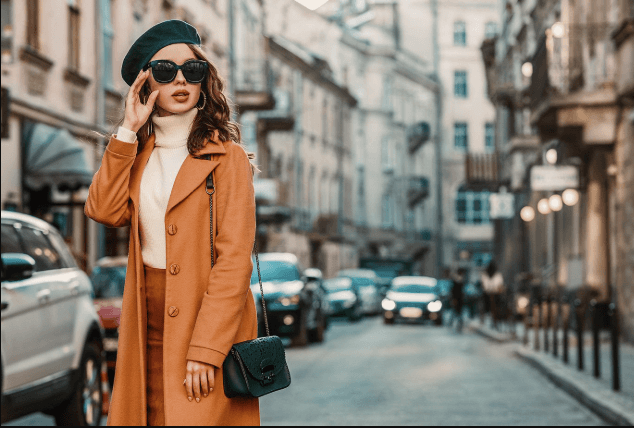
Color coordination in fashion can be learned like a practical toolkit. The guide outlines a calm path: establish a three-color wardrobe, balance neutrals with an accent, and test contrast versus harmony. It emphasizes mixing warm and cool tones through neutral anchors and considers texture and scale. With quick-start formulas, it translates theory into real outfits. Yet a few deliberate choices remain, inviting the reader to see how simple shifts reshape everyday style.
Understand the Basics of Color Theory for Fashion
Color theory for fashion centers on how hues interact to convey mood, balance, and contrast.
The discussion outlines core principles: color harmony aligns schemes, while contrast balance maintains energy without overstimulation.
Readers observe practical relationships among hues, tones, and saturation.
The approach favors clarity, enabling designers and enthusiasts to predict how combinations communicate intention and individuality with precision and intentional freedom.
Build a Cohesive 3-Color Wardrobe Strategy
A cohesive three-color wardrobe hinges on disciplined selection and deliberate pairing that extend beyond mere appearance.
A savvy, precise approach centers on creating versatile combinations through color balance and compatible fabric textures.
Choose dominant neutrals, an accent hue, and a supporting shade; ensure contrast or harmony remains intentional.
Seasonal interchangeability emerges when fabrics and tones align across silhouettes, fabrics, and occasions.
Mix Warm and Cool Tones Without Clashing
Navigating warm and cool tones without clashing hinges on deliberate balance and thoughtful pairings. This approach favors subtle contrasts, where warm and cool elements complement rather than contend, creating contrast harmony.
A savvy observer opts for restrained palettes, anchors with neutrals, and tests scale. The result: a polished, modern look that feels freely expressive while maintaining cohesive energy through warm cool balance.
Apply Quick-Start Outfit Formulas for Real-World Looks
Quick-start outfit formulas let readers translate theory into real-world ensembles with minimal friction. The approach translates color theory into portable templates: color blocking ensembles balance bold blocks with neutral grounding, while monochrome moments rely on tonal variation to maintain depth. Designers emphasize versatility, pairing across textures and silhouettes to create cohesive, expressive looks suitable for everyday confidence and personal freedom.
Frequently Asked Questions
How Do Prints Influence Overall Color Balance in Outfits?
Prints influence overall color balance by anchoring focal points and guiding tonal unity; bold patterns demand controlled neutrals, while subtle motifs amplify harmony. In practice, prints balance through deliberate contrast and cadence, achieving tonal unity across an ensemble with confidence.
What Role Does Skin Undertone Play in Color Choice?
Narrator likens undertones to a chameleon’s whisper: skin undertone determines flattering hues, while color temperature calibrates mood. It guides harmony over contrasts, ensuring outfits feel intentional, cool or warm, and freely expressive within curated, trend-aware boundaries.
Can Color Theory Guide Accessories Beyond Clothing?
Color theory guides accessory coordination by aligning color palettes, not just clothing, enabling cohesive looks; it supports thoughtful contrast, balance, and statement accents. It treats accessory accents as pivotal punctuation within color coordination, elevating outfits with deliberate, trend-aware finesse.
See also: Digital Therapeutics Explained
How Do Lighting Conditions Alter Perceived Color Accuracy?
Lighting conditions alter perceived color accuracy: higher lighting calibration and color temperature shifts can skew hues; calibrated environments reveal true tones. In practice, designers consider ambient light, lighting calibration, and color temperature to ensure consistent, trend-aware perception.
What’s a Simple Method to Color-Match Shoes and Bags?
A simple method to color-match shoes and bags is to apply color blocking basics: pick one dominant hue and pair it with matching materials for cohesion, while embracing subtle contrast. This savvy approach respects color blocking basics and matching materials.
Conclusion
In reviewing color coordination, the takeaway is crisp: a simple three-color wardrobe—dominant neutral, accent hue, and supporting shade—delivers maximum versatility with minimum effort. An eye-opening stat to imagine: researchers note that outfits with balanced color contrast improve perceived confidence by up to 20%, shaping how others read style intent. By mixing warm and cool tones against neutral anchors and testing scale and texture, readers can craft adaptable, modern looks that stay relevant across seasons and occasions.